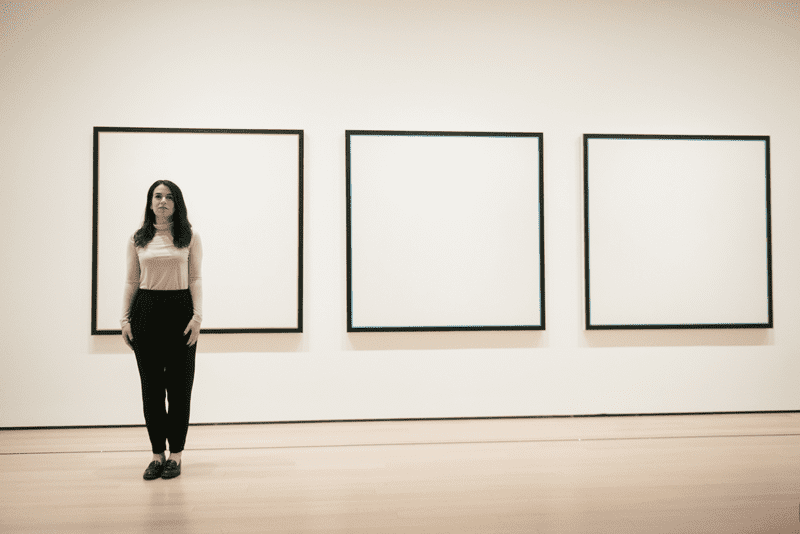
Minimalism is an Avant Garde movement that shows evidence of its advent in the 1950s. Minimalisim in art can be considered as a form of abstraction in art as itbegan to turn away from the gestural art of the previous generation. Aesthetically, minimalist art offers a highly purified form of beauty. It can also be seen as representing such qualities as truth (because it does not pretend to be anything other than what it is), order, simplicity and harmony.
Minimalism is categorised by: geometric single or repeated forms, deliberate lack of expression, self referential, factory manufactured or store-bought materials and space awareness.
Although radical, and rejecting many of the concerns of the immediately preceding abstract expressionist movement, earlier abstract movements were an important influence on the ideas and techniques of minimalism. the Russian constuctivist and suprematist movements of the 1910s and 1920s, such as the reduction of artworks to their essential structure and use of factory production techniques, became more widely understood – and clearly inspired minimalist sculptors.
Defining Artists
Frank Stella
Die Fahne Hoch! (1959)
Unquestionably a key monument in modern art, this work, one of the series of Black Paintings done by Frank Stella, is a bold counter-movement against the eminent Abstract Expressionist painters. It is a monochrome rectangular painting on a heavy chassis projecting from the wall into surrounding space as if urging the viewer to move back. Magnetized, the viewer is drawn closer seeking to read the pattern of pinstripes on the surface. These stripes are in fact the raw canvas revealed between broad black stripes painted with few visible brushstrokes.

Die Fahne Hoch! (1959)
Tony Smith, Die 1962
The sculpture’s deceptively simple title invites multiple associations: it alludes to die casting, to one of a pair of dice, and, ultimately, to death. As Smith remarked, “Six feet has a suggestion of being cooked. Six foot box. Six foot under.” Rationality, evoked by Die’s purely geometric configuration, is countered by the sculpture’s brooding presence. Meaning becomes relative rather than absolute, something generated through the interplay of word and object. Weaving together strains of architecture, industrial manufacture, and the found object, Smith radically transformed the way sculpture could look, how it could be made, and, ultimately, how it could be understood.

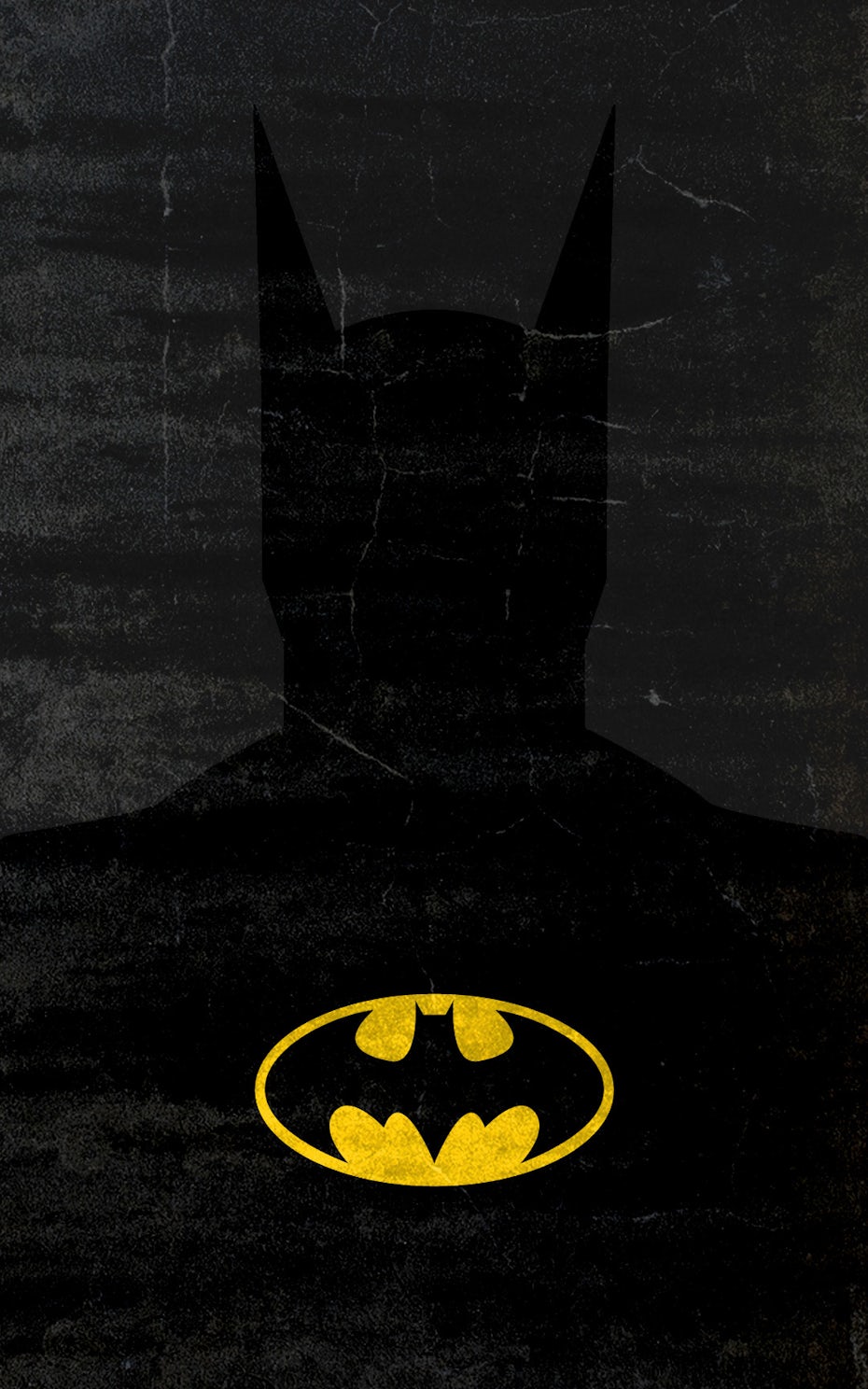
Design by Calvin Lin

References
https://www.whitney.org/WatchAndListen/1267
https://99designs.com › blog › trends › neo-minimalism-graphic-design
 Visual Communication